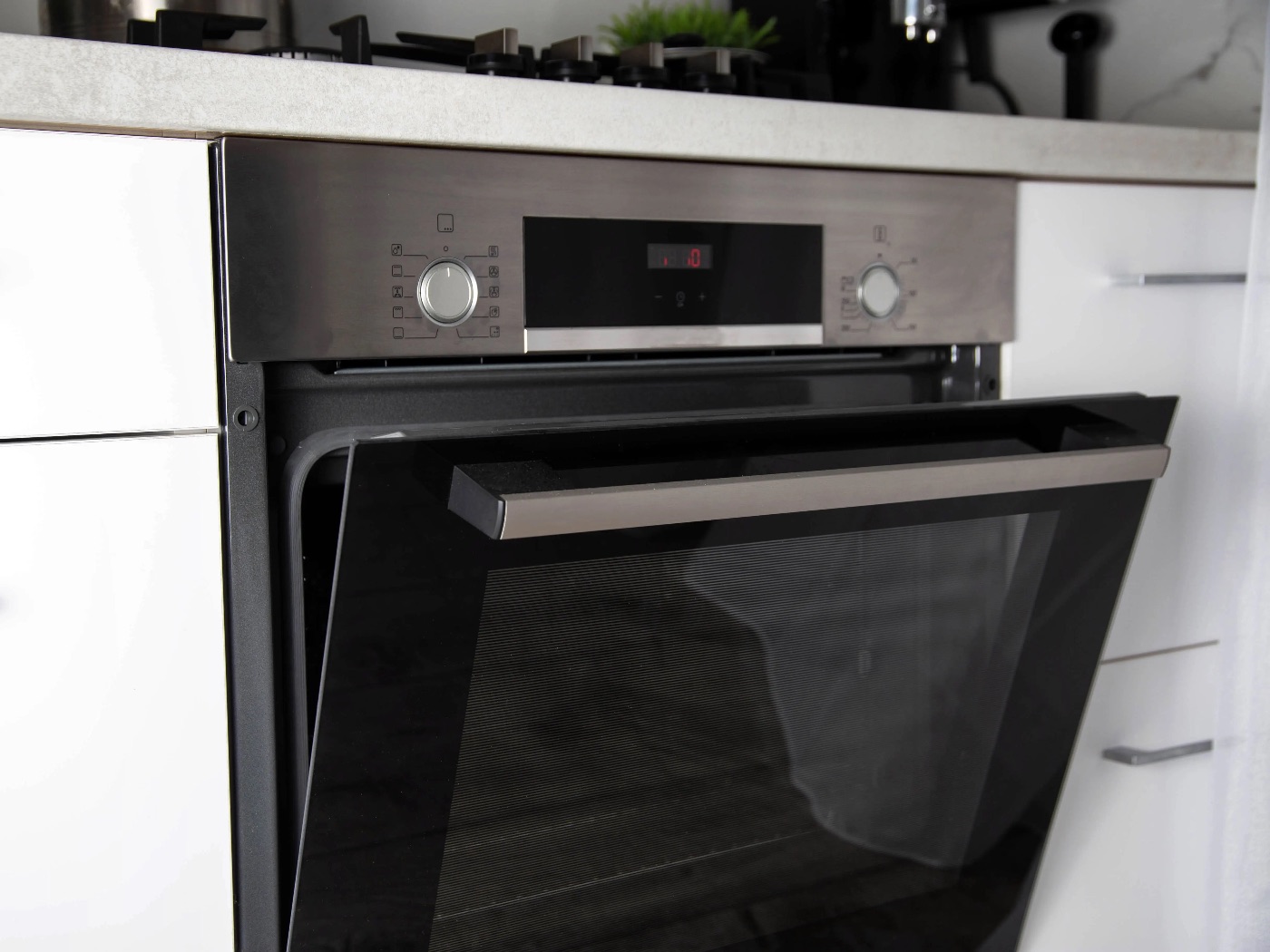
An oven temperature that does not match the dial is usually a calibration drift, a bad sensor or thermostat, a worn door seal, or poor airflow inside the oven. You can find out which in about 40 minutes. Place an oven thermometer on the middle rack, preheat to 350°F, and compare the real reading with the setting.
This guide covers an oven that runs too hot, burns food, or bakes unevenly, which is different from an oven that will not heat at all. You will learn how to test the real temperature, how to calibrate it, which causes it to sit behind a stubborn error, and when oven repair is the safer choice.
Oven Temperature Wrong: Signs Your Oven Is Lying
Most people notice the problem in the food first. Cookies brown too fast on the bottom, a roast finishes early, or the same dish comes out raw in the middle.
An oven also cycles. The element or burner turns on and off, so the real temperature swings above and below the setting. A small swing is normal. A steady gap between the setting and the real heat is the warning sign, and the test below measures it.
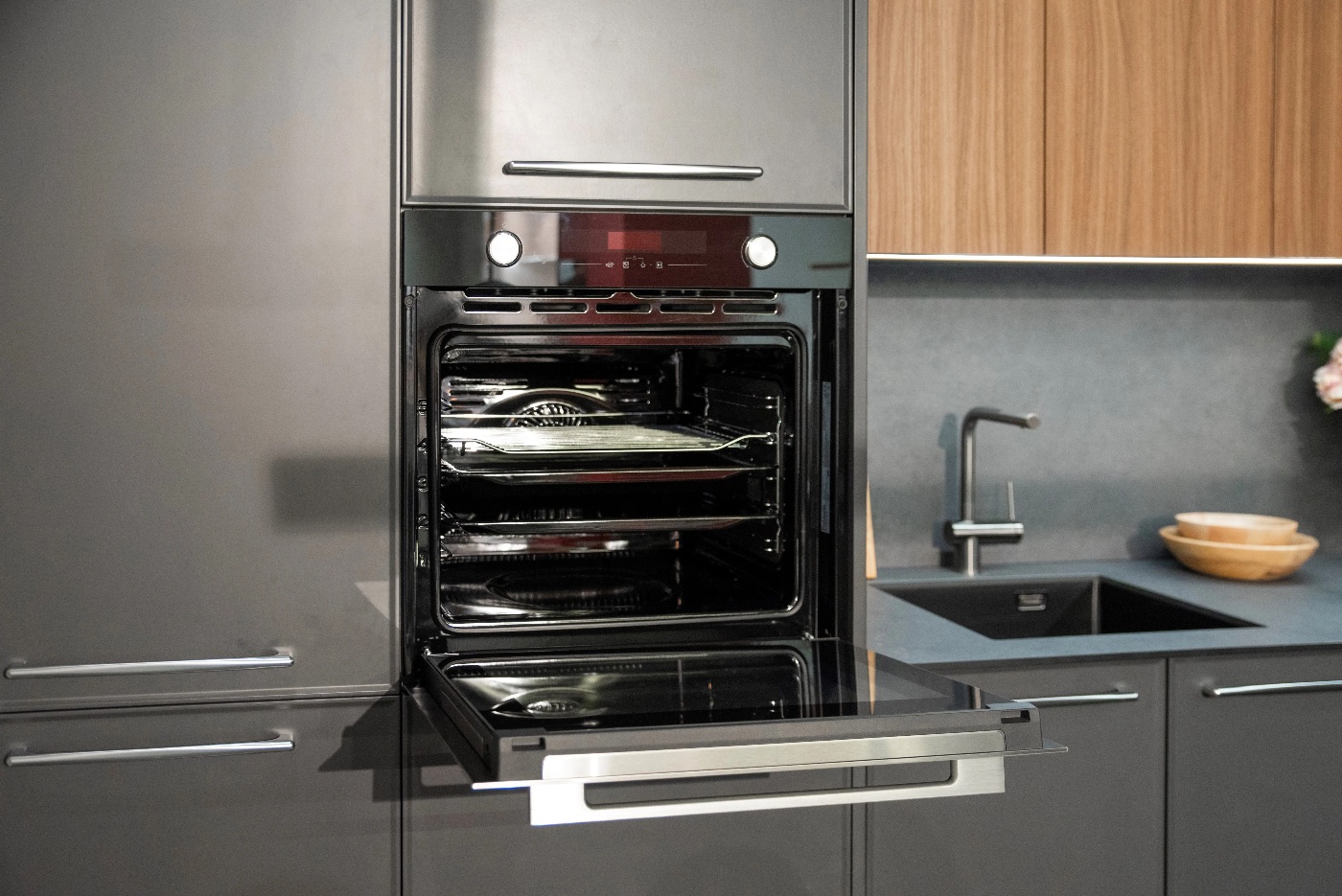
Step 1: Test the Real Oven Temperature
One thermometer reading proves little, because the oven cycles. Take several readings and average them.
How to Test
- Place an oven thermometer near the center of the middle rack
- Set the oven to 350°F and let it preheat fully, then wait about 10 more minutes
- Take a reading every few minutes, at least five times
- Add the readings and divide by the number you took
Use a digital probe if you can, since some sources note that cheap dial thermometers can be inaccurate. If you use a dial type, open the door only briefly to read it.
A few degrees off is usually fine. A gap of about 15°F or more is worth correcting. A gap of about 35°F or more can point to a fault, not just drift.
Step 2: Calibrate the Oven Temperature
Calibration changes the oven's offset so the real heat matches the setting. The math is simple. If the dial says 350°F and your average is 330°F, add 20°F.
On a digital oven, you typically hold one or two buttons to enter a calibration mode, then use the arrows to add or subtract degrees. The steps differ by brand, so follow your manual. On a dial oven, you pull off the knob and loosen the screws on the back, or turn a small set screw. Make tiny adjustments and retest after each one.
Most ovens can be adjusted by roughly 35°F in either direction. If the oven still reads wrong at the limit of that range, calibration is no longer the fix. The sensor, thermostat, or control is the next suspect.
Oven Running Too Hot: Causes You Can Fix
Before you assume a broken part, check these. They are free or cheap.
- Foil liners: Foil on the oven floor or racks can block airflow and vents and reflect heat
- Crowded bakeware: Pans that touch the walls or fill the rack can hold heat in. Leave a couple of inches around them
- A cracked or loose knob: On a dial oven, a damaged knob can misstate the setting
- Greasy buildup: Grime on elements and vents can disturb heat flow, so a regular cleaning helps
- A worn door seal: A torn or loose gasket lets heat escape, which causes long preheats and uneven baking
- Rack position matters too. Food near the top element can burn even when the temperature is right.
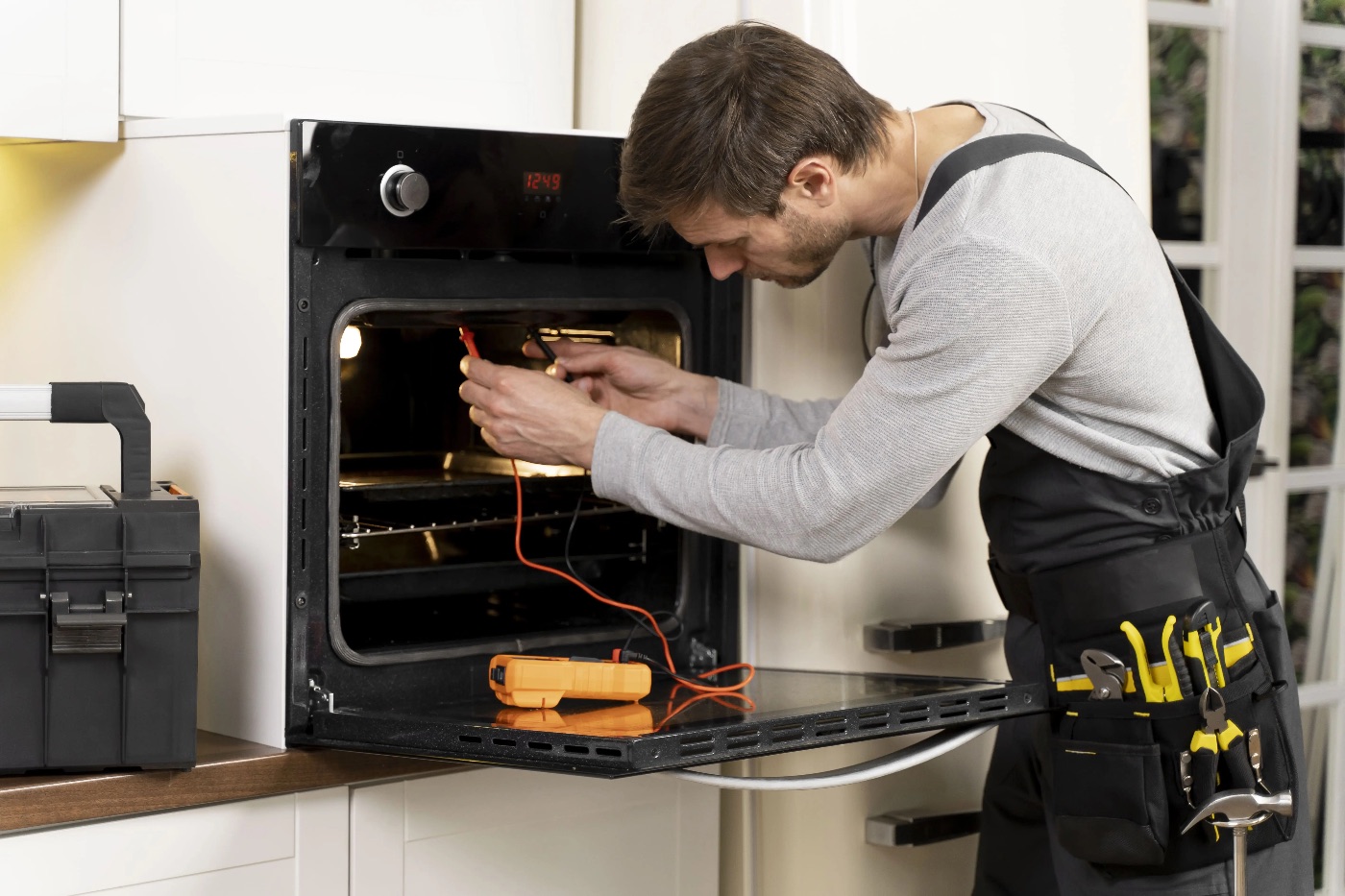
When Calibration Fails: Sensor, Thermostat, and Control Problems
If the offset cannot fix the gap, a part is likely at fault.
The temperature sensor. It reports the heat to the control. A failing or misplaced sensor sends the wrong signal, so the oven overshoots or stops early. Many sensors read about 1,080 ohms at room temperature, and a technician can test this with a meter. A sensor that sits too close to an element can also cause wrong readings.
The thermostat. On many ovens, a thermostat switches the heat on and off. If it fails, the oven can run hot or cold by a wide margin. Sears Home Services notes that a gap beyond about 50°F that calibration cannot fix often points to the sensor or thermostat.
The control board. A failing board can cause swings that come and go. It is hard to test at home and often costly, so a technician should confirm it before you buy one.
What This Usually Is Not: An Oven That Will Not Heat
An oven that heats but gets the temperature wrong is a different problem from an oven that never heats. A bad bake element, a failed igniter, or a blown fuse usually shows up as little or no heat. An inaccurate oven still gets hot. It simply gets hot to the wrong number.
That is why oven heat inaccurate repair and oven not heating repair are different visits. The first focuses on the sensor, thermostat, and calibration. The second focuses on the heating parts and power.
Safety First: When an Oven Stays Hot or Overheats
Most temperature errors are a nuisance. Some are a hazard. Treat these as urgent:
- The oven keeps heating after you turn it off
- Food or the oven interior smokes even at low settings
- You smell burning that is not from food
- The oven reaches very high heat on its own
If the oven will not shut off, switch it off at your home's electrical panel. Do not keep using it. Cut the power before you inspect any element, and let the oven cool fully first. A cooling fan may run for several minutes after you bake, and full cooling can take 30 to 45 minutes.
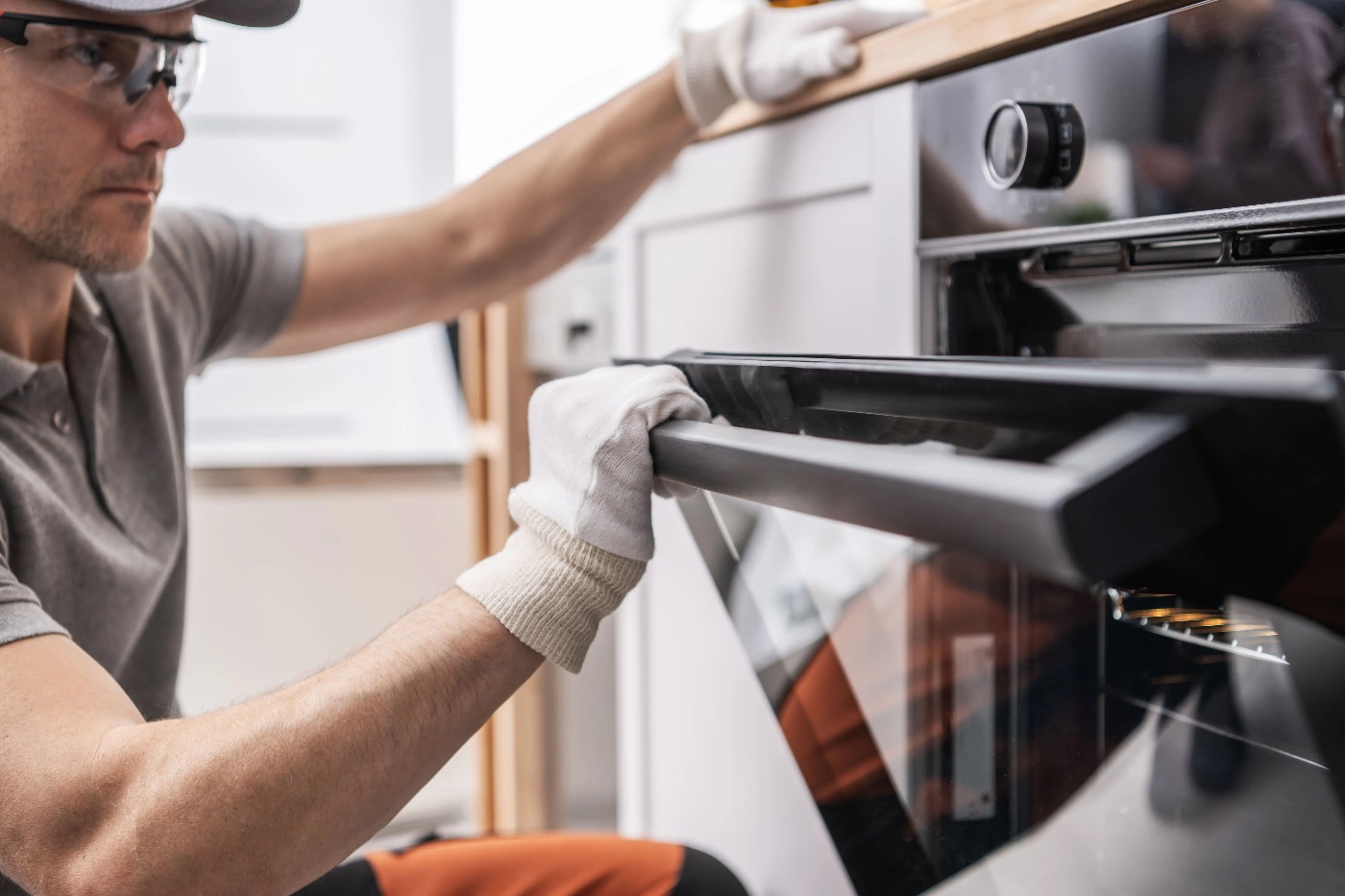
Oven Repair and Newton Appliance Repair
Call for oven repair if your average is far off after calibration, the temperature swings from day to day, or error codes appear. Also call if the knob, door, or hinge is damaged, or the oven does not turn off.
For Newton appliance repair, a good visit starts with testing the real temperature, then the sensor, thermostat, and control, before replacing anything. Same-day appliance repair in Newton is often possible when you call early, depending on the schedule. Share your brand and model, your thermometer average, and what you changed in calibration so the technician can come prepared.
Repair or Replace: Making the Call
Most temperature problems are repairable. A sensor, a knob, or a door seal costs far less than a new oven, so repair is usually the better value.
Replacement is worth discussing when the oven is old, the control board has failed, or the estimate nears a new model's price.
Get Your Oven Temperature Right Today
Book your oven repair in Newton with Common Appliance Repair today. Our technicians test the real temperature, find the failed part, and offer same-day appliance repair when schedules allow.
Book a repair now to get your oven cooking accurately again.