An ice maker not making ice usually has one of eight causes: it is switched off, the freezer is too warm, ice is jamming the mold, the fill tube is frozen, the water filter or pressure is low, the water inlet valve has failed, a mold part has worn out, or the control board has failed. The first five are often free to check at home.
The fastest way to find the cause is to follow the ice making process. Every ice maker fills, freezes, and harvests in order, and each cause breaks one stage. This guide shows how to match your symptom to the stage, what to fix yourself, and when ice maker repair makes sense.
Ice Maker Not Making Ice: The Ice Making Process
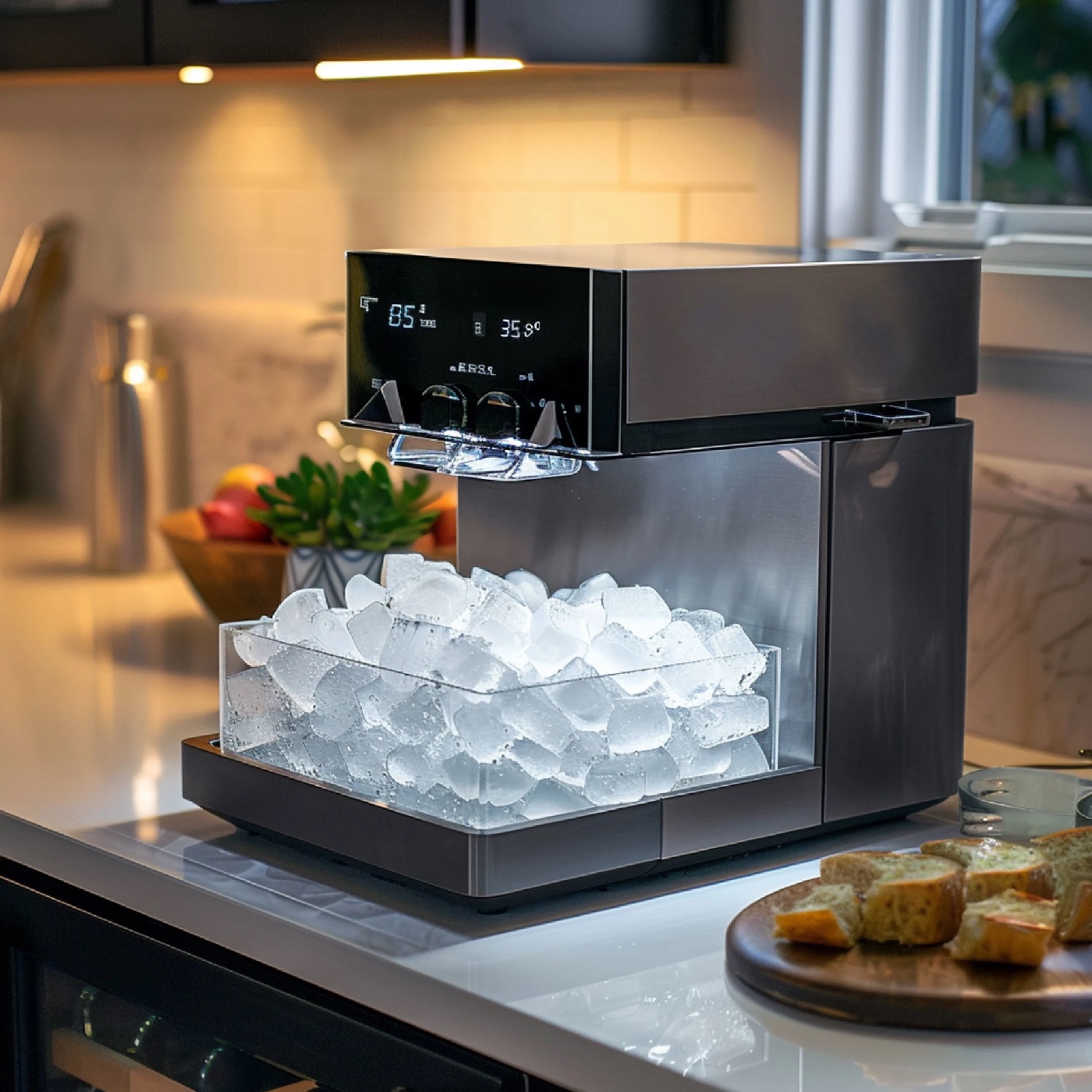
Most ice makers work in the same loop. First, the water inlet valve opens and sends a measured amount of water through the fill tube into the mold. Second, the freezer air freezes it. A thermostat or sensor on the mold tells the control when the water is solid. One parts guide puts this stage at roughly an hour and a half to two and a half hours.
Third, a small heater briefly warms the mold so the cubes loosen, and a motor turns the ejector to push them into the bin. A bail arm or sensor then checks whether the bin is full, and the loop pauses if it is.
That gives you a map. No water means a fill problem. Water but no cubes means a freeze problem. Cubes that stay in the mold mean a harvest problem.
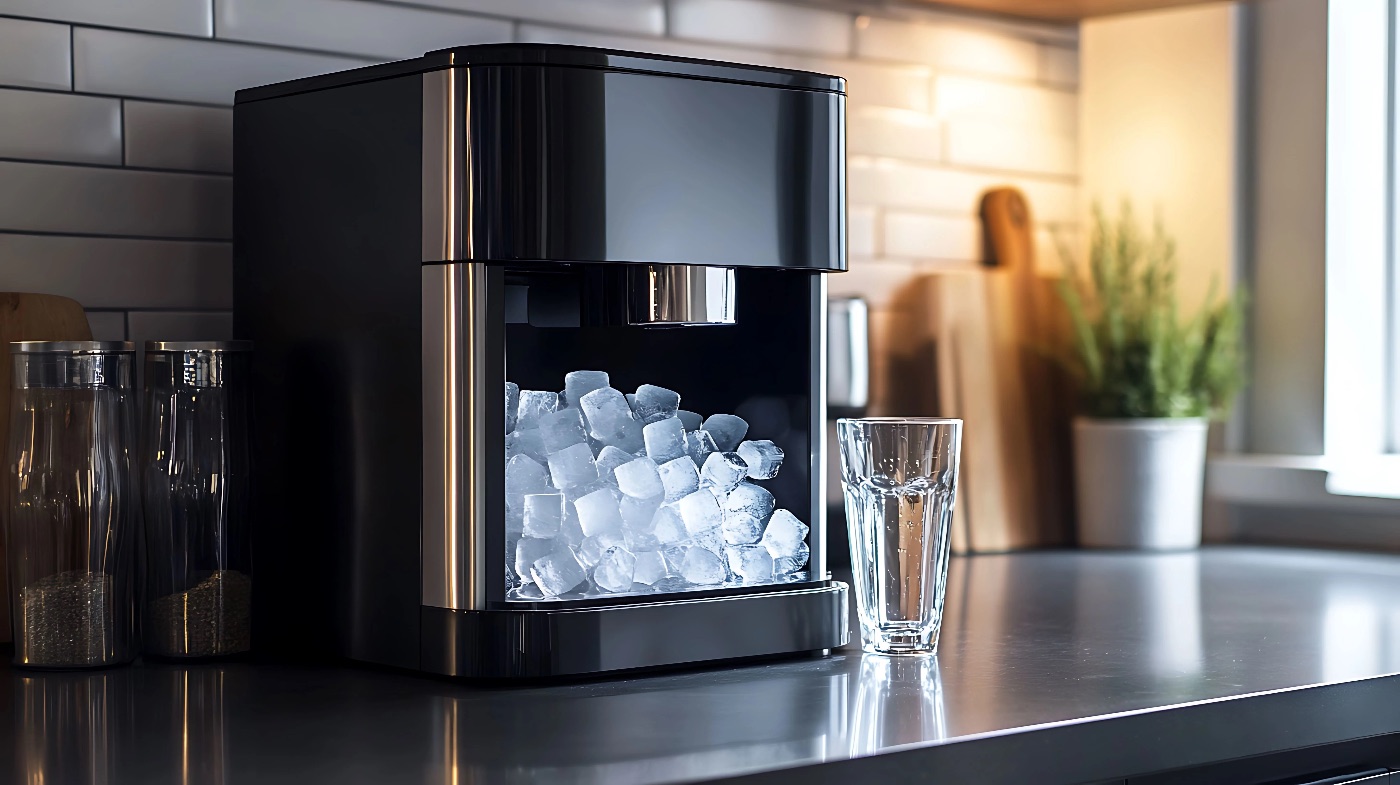
Causes for Ice Maker not Working
Cause 1: the ice maker is off.
The switch or bail arm can get bumped, especially behind the bin. If the arm is raised, the unit thinks the bin is full. Lower it, or turn the ice maker on in the control panel.
Cause 2: the freezer is too warm.
Cubes need a cold freezer. Many guides recommend about 0°F to 5°F. A freezer that runs warmer than about 10°F can make ice slowly or not at all. Check it with a freezer thermometer, not just the dial. If the freezer is warm, the real problem is cooling, and the ice maker is only the symptom.
Cause 3: ice jams.
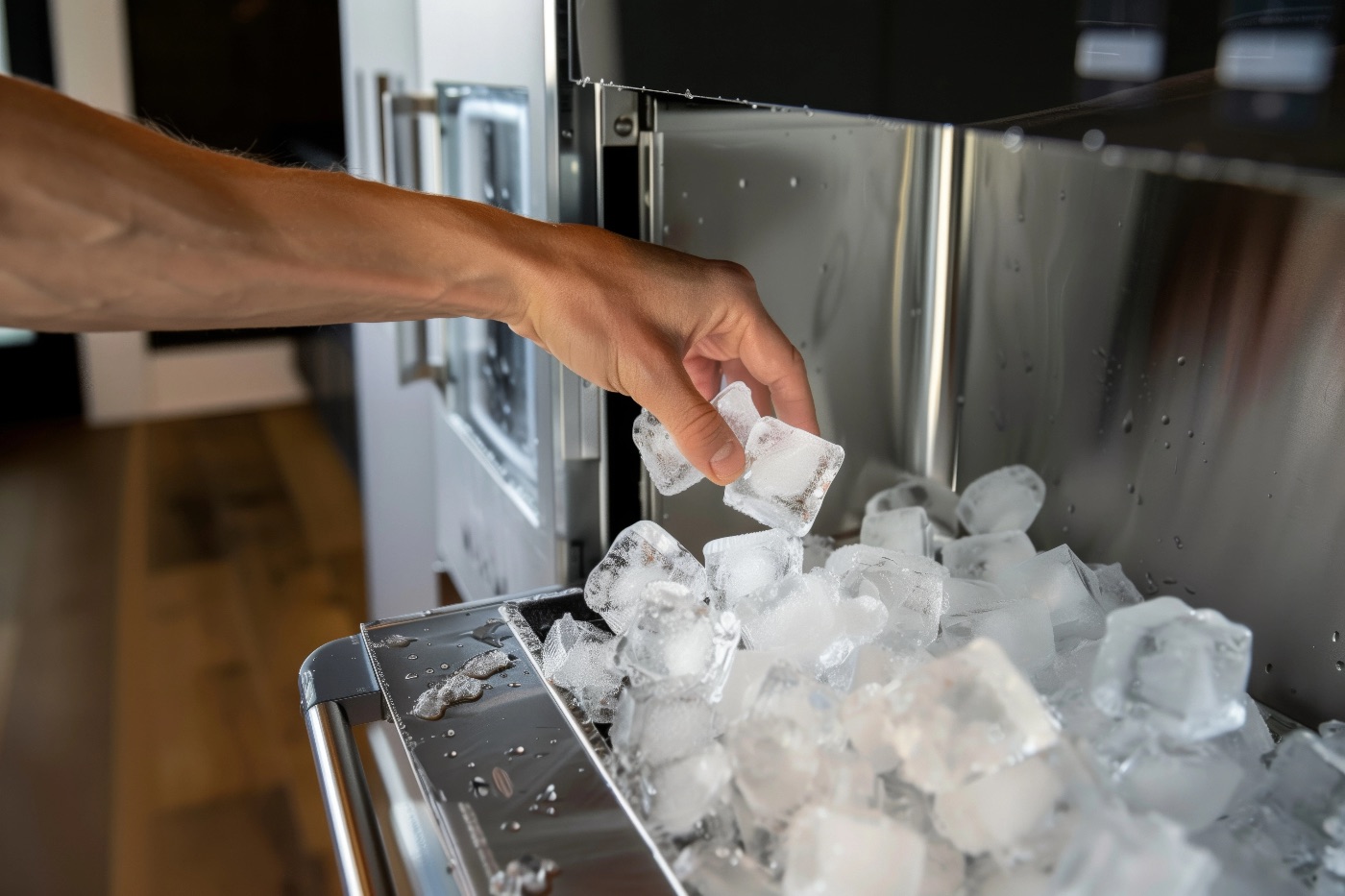
Cubes can fuse into a clump in the bin, the chute, or the mold. Remove the bin, break up the clump, and discard it. Wait a few hours and check again.
Cause 4: a frozen fill tube or water line.
Ice can build up in the small tube that feeds the mold, often when the freezer door is opened a lot or the door seal is weak. Turn the ice maker off and let it thaw for a few hours. Do not use sharp tools or a heat gun, since plastic parts can crack. Try the dollar bill test on the door seal to see whether warm air is getting in.
Cause 5: a clogged filter or low water pressure.
A filter that is old or clogged can slow the water to a trickle. Many guides suggest replacing it about every six months, or when the filter light comes on. The inlet valve also needs enough pressure, and one common guideline is at least 20 psi. Weak flow can give you small or hollow cubes.
Cause 6: a failed water inlet valve.
The valve can fail even when the line is clear and the pressure is fine. A technician tests it before replacing it.
Some causes need the ice maker repair and tools & testing.
Cause 7: the mold thermostat, heater, or ejector motor.
If the thermostat fails, the ice maker never knows the water is frozen. If the heater fails, cubes stay stuck. If the ejector motor or gears fail, the blades do not turn. In each case, the mold may hold a block of ice or sit empty and silent.
Cause 8: the control board or the whole ice maker assembly.
A failed control stops the loop at any stage. Most guides suggest ruling out simpler parts first, such as the valve, switch, and filter. Many assemblies are replaced as one unit, since internal parts are often not sold separately.
Unplug the fridge before opening any panel.
The Water Dispenser Test
This quick test splits the problem in half. Fill a glass from the door dispenser.
If water flows well, the supply and filter are likely fine, and the fault is probably inside the ice maker. If water is slow or does not flow, look at the filter, the water line, the shutoff valve, and the inlet valve first.
With no dispenser, listen when a cycle starts. The sound of water filling means the valve is working. Silence points to power, the valve, or the control.
Reset an Ice Maker: When It Helps
Resetting an ice maker clears a stuck cycle, such as after a power flicker or a filter change. Turn the ice maker off for a few seconds and back on, or follow the reset button method in your manual. Give it up to a day to refill.
A reset cannot fix a failed part. If nothing changes, move on to the causes above instead of repeating it.
What a Dead Ice Maker Usually Is Not
An ice maker that stops is not always broken. A full bin pauses the loop on purpose, and a bump to the arm can fool the unit.
It is also rarely the compressor. If the main fridge is cold and the freezer holds around 0°F, the cooling system is working. Look at the ice maker's water, switch, and parts instead.
Ice Maker Repair in Brookline and Same-Day Appliance Repair
Book ice maker repair in Brookline if the free checks do not help. Call if you find a block of ice around the mold, water leaks from the unit, you hear grinding or clicking that does not stop, or the dispenser test points to a failed valve.
Brookline appliance repair for refrigerators typically covers the inlet valve, thermostat, heater, ejector, and control. Same-day appliance repair is often available when you call early, depending on the schedule. Tell the dispatcher your brand and model, what the dispenser does, and what you already tried.
Repair or Replace: Making the Call
Most ice maker problems are fixable. A filter, valve, or thermostat costs far less than a new refrigerator, so repair is usually the better value.
Replacement is worth discussing when the fridge is old, the freezer will not hold temperature, or the estimate nears the price of a similar new model.
Get Your Ice Maker Making Ice Again Today
Book your ice maker repair in Brookline with Common Appliance Repair today. Our technicians find the stage that failed, fix the real cause, and offer same-day service when schedules allow.
Book an appointment online to bring back fresh, cold ice.